The Structure That Makes Shared Banking So Unusual
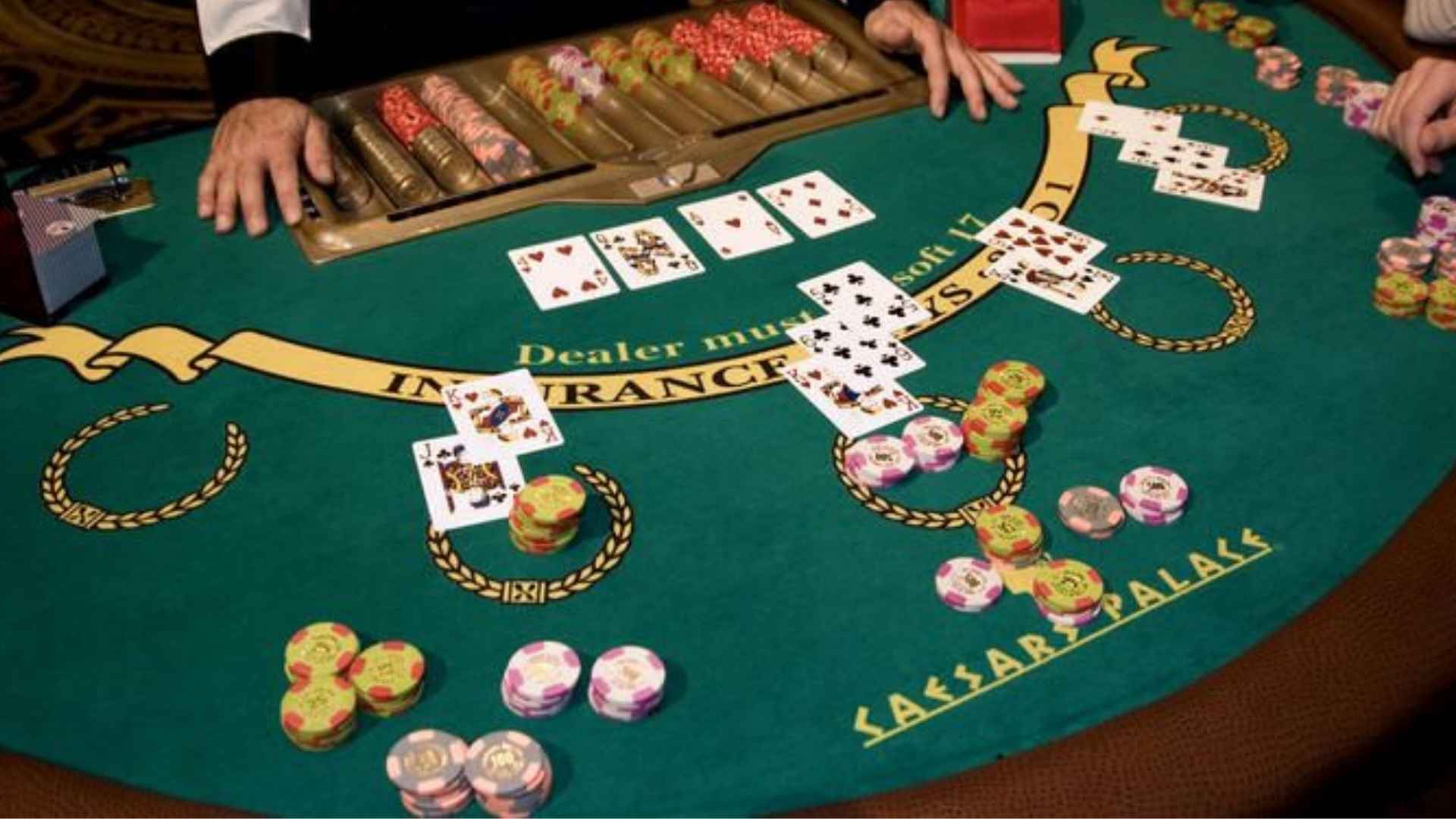
The concept of shared banking has long fascinated historians and gaming enthusiasts due to its unique distribution of financial responsibility. Unlike contemporary institutional setups where a single corporate entity backs all transactions, traditional systems relied heavily on the active participation of the players. Exploring this distinct layout reveals how community-driven risk management completely altered the dynamics of classic table games.
The Core Mechanics of Distributed Risk
In older variations of baccarat, the role of the banker was not a permanent fixture managed exclusively by the venue. Instead, individual participants took turns holding the bank, meaning they had to personally fund and cover all active wagers at the table. This architectural shift transformed a standard card comparison into an intense psychological contest among the players themselves.
Because the financial exposure was directly managed by the participants, the pacing of each round was notably more deliberate. This structure encouraged deep observation and tactical calculation, as every individual choice carried significant communal weight. The fluidity of this setup ensured that no single participant held a permanent systemic advantage over the rest of the room.
How Seating and Positions Influenced Decisions
The physical arrangement of a shared banking table played a critical role in how information was gathered and utilized. Traditional layouts often divided the participants into two distinct wings, with the active banker positioned centrally between them. This spatial orientation forced the dealer to manage two separate streams of active card play simultaneously.
Depending on where a person chose to sit, their timing and access to unfolding table data changed completely. Acting late in a sequence provided a structural benefit, allowing individuals to gauge the overall momentum before committing resources. This spatial dynamic ensured that geographic placement was just as vital as the actual cards dealt.
The Transition Into Contemporary Digital Systems
As gaming preferences evolved across different eras, these highly interactive traditional frameworks gradually transitioned into more streamlined formats. Modern platforms prioritize rapid transaction velocity and widespread accessibility over manual operational duties. Today, enthusiasts looking to experience contemporary adaptations of these classic card games can visit an online portal like the m88 casino to explore various digital tables. This ongoing evolution maintains the foundational mathematical tension while utilizing automated software to handle complex calculations instantly.
While automation offers unmatched convenience, it fundamentally alters the social fabric that defined early European gaming salons. The absence of a rotating, player-controlled bank shifts the psychological environment toward an individual experience against a standardized house system. However, understanding these older structural variations allows modern enthusiasts to appreciate the rich history behind contemporary layouts.
The Lasting Legacy of Collaborative Play
Uncovering the mechanics of shared banking highlights a time when tabletop entertainment relied entirely on mutual risk and human accountability. These historic rules serve as an excellent reminder of how minor adjustments to operational procedures can completely transform a community atmosphere. By studying how early card rooms balanced shifting authority, modern strategic thinkers gain a more complete perspective on global gaming culture.