Tag: Winning Strategies
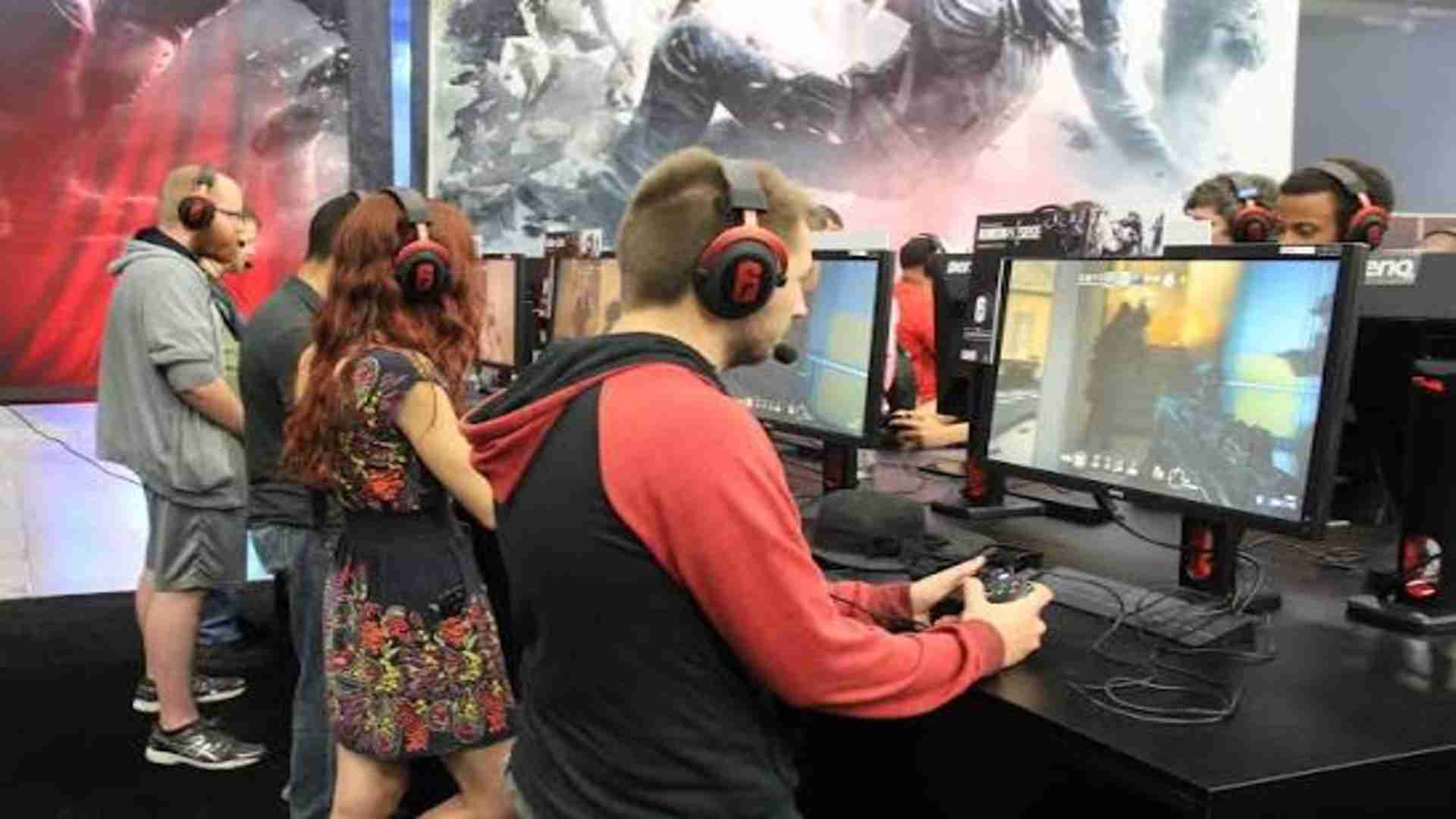
Random Rewards for Every Challenge
Modern digital entertainment platforms frequently employ unpredictable prize systems to celebrate player achievements across diverse milestones. When participants conquer difficult obstacles, the anticipation of an unknown outcome significantly enhances their emotional investment. This dynamic approach ensures that completing complex tasks remains continuously engaging rather than routine or predictable.
The Science Behind Mysterious Milestones
Conquering a demanding hurdle triggers a natural sense of accomplishment within the human neurological framework. Introducing an element of chance to this resolution intensifies the psychological feedback loop, creating highly memorable gameplay experiences. Participants find themselves driven not just by the victory itself, but by the mysterious premium that follows immediately after.
Behavioral research suggests that variable reinforcement schedules maintain user focus far longer than traditional static models. If an individual always knows the exact outcome of their efforts, the experience can quickly become monotonous. Embracing unpredictability ensures that the entire journey feels fresh, novel, and perpetually rewarding over extended periods.
Balancing Task Difficulty and Mystery Prizes
To keep interactive systems fair, developers must carefully align the perceived difficulty of a task with its potential prize pool. High-tier objectives should offer pools containing items that carry significant weight, prestige, or utility within the virtual environment. When the underlying probability structure feels balanced, users remain highly motivated to test their skills repeatedly.
Conversely, a poorly calibrated system can lead to severe player exhaustion if the required effort heavily outweighs the potential satisfaction. Many successful modern platforms now implement safety mechanisms that guarantee premium items after a set number of consecutive attempts. Enthusiasts looking for reliable platforms to test their strategies and explore varied entertainment options often visit M88 toto to experience balanced digital mechanics and transparent probability systems.
Impact on Community Interactions and Retention
Integrating random distribution systems directly into daily or weekly missions provides a reliable framework for long-term community retention. Users appreciate having multiple distinct pathways to acquire unique character enhancements, rare cosmetics, or valuable functional resources. This structural variety ensures that casual participants and hardcore competitors alike find meaningful reasons to return regularly.
Furthermore, random distributions encourage organic interaction within player communities as individuals share their latest discoveries and rare acquisitions. This collective excitement builds a shared culture centered around shared experiences and mutual celebration of good fortune. As a result, the virtual world feels more alive, interactive, and socially fulfilling for the entire user base.
The Evolution of Modern Progression Systems
Linking unpredictable bonuses to specific accomplishments completely reshapes how modern audiences interact with live-service digital platforms. It successfully shifts the primary focus from tedious grinding to the exciting pursuit of discovery and unexpected triumph. When implemented ethically, these systems enrich the user journey without causing frustration or fatigue.
As contemporary design philosophies mature, the synergy between personal effort and exciting surprises will remain central to digital development. Developers will continue to refine these algorithms to ensure transparency, fairness, and maximum engagement for future generations of users worldwide. The ongoing refinement of these systems guarantees that the future of interactive entertainment remains incredibly bright, innovative, and deeply satisfying.
Ultimately, these mechanics succeed because they mirror the unpredictable nature of real-world accomplishments and challenges. By blending skill with an element of surprise, creators build a balanced environment where every milestone feels significant. The ongoing evolution of these engagement strategies will undoubtedly shape the next generation of digital media.

Improve Memory Through Solitaire Games
In our fast-paced digital world, finding enjoyable ways to maintain cognitive health has become a priority for people of all ages. While many turn to complex brain-training applications, classic card games offer a time-tested and highly effective alternative. Engaging regularly in these traditional solo activities can provide subtle yet powerful stimulation that keeps our minds sharp and active over time.
The Connection Between Solitaire and Working Memory
Playing solitaire requires a high level of mental organization, as you must constantly track changing card sequences and colors. This active engagement directly exercises your working memory, which is responsible for holding and manipulating information temporarily. By repeatedly planning your moves and recalling which cards have already been played, you naturally strengthen these essential neural pathways.
Furthermore, managing the tableau forces players to hold multiple potential outcomes in their minds simultaneously. This continuous mental juggling acts as a form of light cognitive resistance training. Over time, this habit can translate into better focus and improved short-term recall in your everyday life.
Developing Strategic Planning and Recognition
Success in solitaire is rarely a matter of pure luck; it requires keen observation and pattern recognition. Players must analyze the board to identify the best sequences and anticipate where hidden cards might lie. This structured problem-solving process keeps the brain actively engaged in analytical thinking throughout the game.
As you learn to recognize shifting patterns on the board, your decision-making skills become quicker and more refined. For those looking to diversify their mental recreation, exploring platforms like M88 toto can offer unique gaming variations to keep the mind challenged. Consistently introducing your brain to fresh visual puzzles helps prevent cognitive stagnation and encourages mental flexibility.
Stress Reduction as a Gateway to Better Recall
One of the most overlooked benefits of playing solo card games is their ability to induce a state of relaxed focus. High stress levels produce cortisol, a hormone that can actively interfere with your brain's ability to retrieve and store memories. By providing a low-stakes environment, solitaire helps lower anxiety and promotes a calmer mental state.
When the mind is free from the clutter of daily stressors, it can process and organize information much more efficiently. This peaceful focus creates the ideal conditions for memory consolidation and long-term brain health. Taking a short break to play a quiet game can therefore serve as an excellent mental reset during a hectic day.
Establishing a Healthy Cognitive Routine
To reap the maximum memory-boosting benefits, it is helpful to make solo card games a regular part of your lifestyle. Even just fifteen minutes of daily play can provide the consistent stimulation needed to keep your mind sharp. The key is to approach the game mindfully, focusing on strategy rather than playing passively.
Varying the style of games you play can also provide a broader range of cognitive benefits. Transitioning between classic setups and faster variations ensures that your brain continues to adapt to new rules. This simple, inexpensive habit is a delightful way to support your long-term mental well-being.
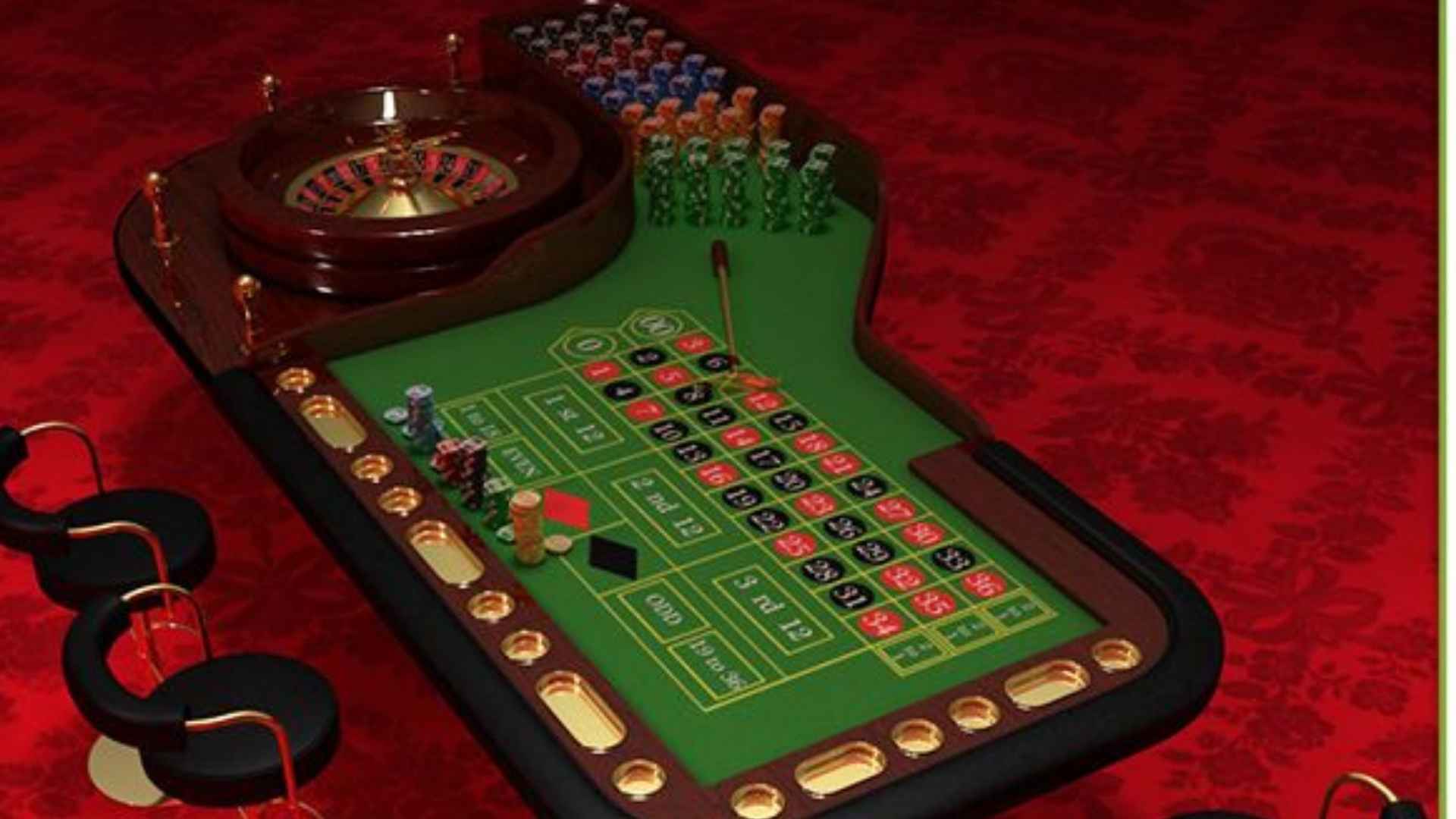
Table Games That Build Winning Habits
Engaging in tabletop entertainment is more than just a passing leisure activity to fill your weekends. Many classic and modern table games serve as structured environments that naturally cultivate positive cognitive patterns and strategic decision-making skills. By understanding how these games influence our minds, players can actively translate their gaming victories into productive habits for daily life.
Cultivating Strategic Patience and Discipline
Success at the gaming table rarely comes to those who act on hasty impulses or emotional reactions. Games like chess, poker, and strategic board systems require players to thoroughly analyze the board and anticipate multiple moves ahead before taking action. This deliberate practice helps individuals develop a higher tolerance for delayed gratification and reinforces the value of calculated planning.
Over time, this learned patience translates into professional and personal scenarios where rash decisions could lead to unfavorable outcomes. Consistently exercising restraint during a match builds a mental framework that values steady, long-term progression over immediate, short-lived gains.
Enhancing Analytical Thinking and Risk Assessment
Every decision made during a table game involves weighing potential risks against anticipated rewards. Players must constantly evaluate shifting probabilities, adapt to unexpected opponent maneuvers, and manage their available resources efficiently. This continuous loop of assessment sharpens analytical minds and improves cognitive flexibility under pressure.
For individuals looking to test their tactical skills in diverse environments, exploring platforms like M88 toto provides an interesting space to observe patterns and apply structured mathematical approaches. Learning to calculate risk percentages in a controlled setting directly builds confidence when navigating real-world financial or professional challenges.
Building Emotional Resilience and Control
In any competitive setup, experiencing setbacks and unexpected losses is an inevitable part of the journey. Tabletop games offer a safe environment to experience failure, allowing players to practice maintaining composure and recovering from disadvantageous positions. Developing a calm demeanor during a challenging match prevents emotional biases from clouding logical judgment.
This emotional resilience is highly transferable, helping individuals handle workplace stress and personal conflicts with a balanced perspective. Ultimately, the ability to view mistakes as valuable data points rather than personal defeats is one of the most powerful habits a gamer can build.
Improving Social Integration and Communication
Many tabletop activities rely heavily on face-to-face interaction, negotiation, and teamwork to achieve success. Whether coordinating a cooperative campaign or reading an opponent's subtle physical cues, players must refine their active listening and verbal communication skills. These structured interactions foster deeper empathy and help individuals understand diverse perspectives more clearly.
Strengthening these interpersonal habits naturally leads to improved collaboration in professional environments and healthier social connections. By participating in regular gaming sessions, players build a strong foundation for mutual respect and cooperative problem-solving.